The best players are not where you think
Beach is a different sport
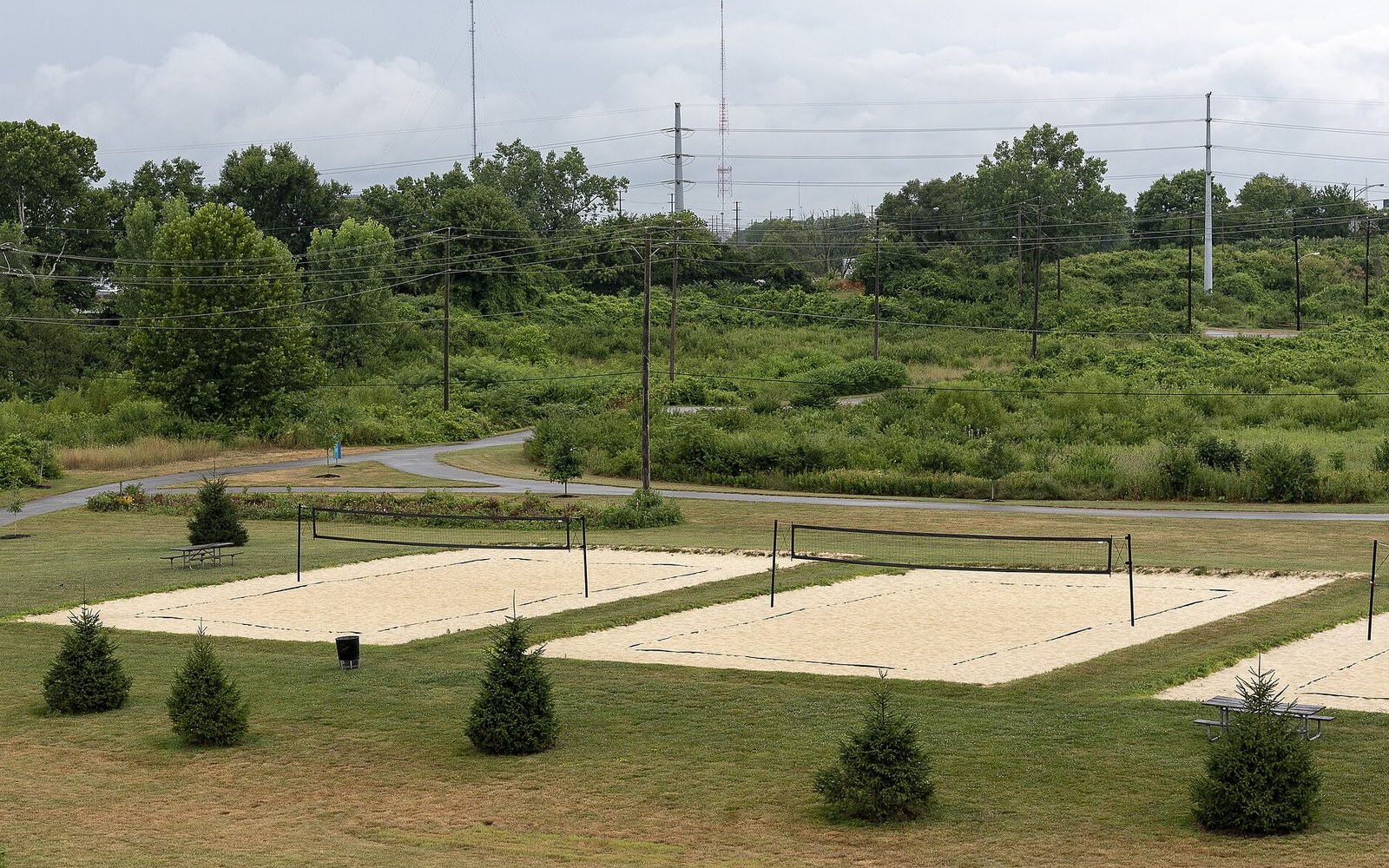
Two players, no rotation, no substitutions, and a surface that punishes differently — the codes share a name and a ball, and not much else.
The court, the count, and the crew
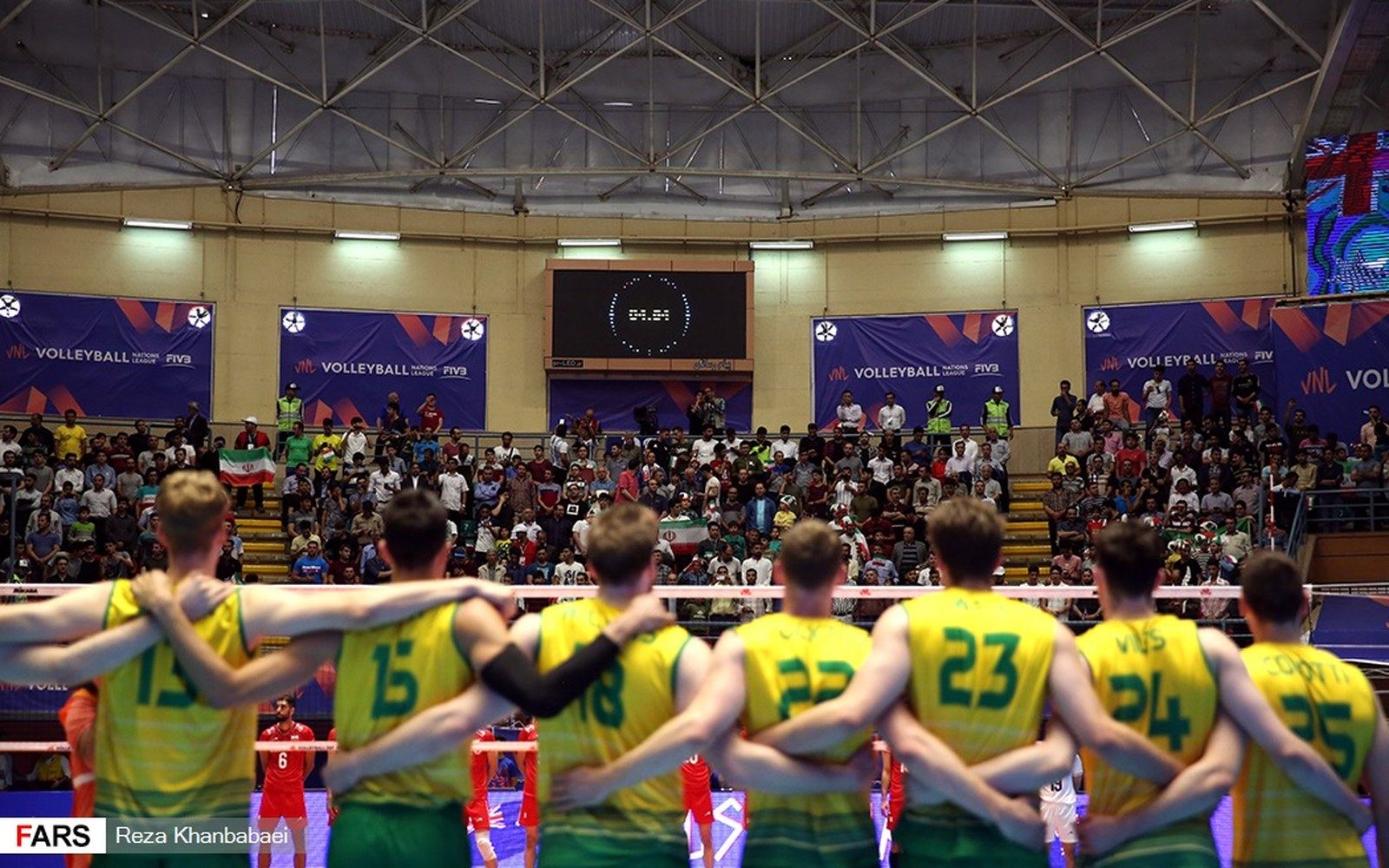
Stand courtside at an indoor match and you are watching six players per side, a rotation that cycles setters and attackers through prescribed positions, and a bench deep enough to swap specialists between rallies. Walk outside to a sand court and you are watching two. That number is not a simplification of indoor volleyball — it is a structurally different game, governed by its own FIVB rulebook, scored on its own conventions, and decided by skills that overlap only partly with the ones that fill a gymnasium.
The most obvious divergence is numerical. Indoors, the rotation enforces a positional order at service and then frees players to move; two players on sand have no rotation to enforce and no overlap fault to commit, because there are only ever two of them and neither has a fixed zone. The libero — the defensive specialist in the contrasting shirt who cannot attack above the net — does not exist in beach volleyball. There is no roster slot for a specialist of any kind, because there is no roster beyond the pair. Substitutions are not permitted at all in the FIVB beach format; if a player is injured, the match is over.
Scoring follows rally-point logic — a point is awarded on every rally regardless of who served — but the set structure differs. Indoor sets run to 25 points (the fifth to 15); beach sets run to 21 ↗, with the deciding third set also to 15, and a two-point margin is required to close any set. The match is best of three rather than best of five. A shorter format was a practical necessity for a competition model that runs multiple matches per day across adjacent courts in outdoor venues, often with a paying crowd watching from temporary stands.
What sand actually changes
The surface is the less obvious difference and the more consequential one. Sand absorbs energy. Every step requires more muscular output than a sprung hardwood floor; a lateral dive that a libero might take twenty times in a match becomes, on sand, a far costlier athletic event. Players on sand must cover the entire half-court — roughly 8 by 8 metres per pair — without the ability to collapse into a back-row specialist role. Both players pass, both set, both attack, both defend, and they take turns serving in a pattern of their own choosing rather than following a fixed order determined by the rotation.
Because there is no setter locked into position, the tactical language shifts too. Setting on sand is done with open hands at the top of the ball but is judged with less tolerance for prolonged contact than it is indoors — a call that surprises players crossing between codes. The jump serve, which remade indoor volleyball's first-contact problem through the 1990s, is also the dominant weapon on sand, but with two receivers instead of six, its geometric pressure is more acute: there is simply less of the court covered by any receiving unit that has ever existed.
Because there is no setter locked into position, the tactical language shifts too.
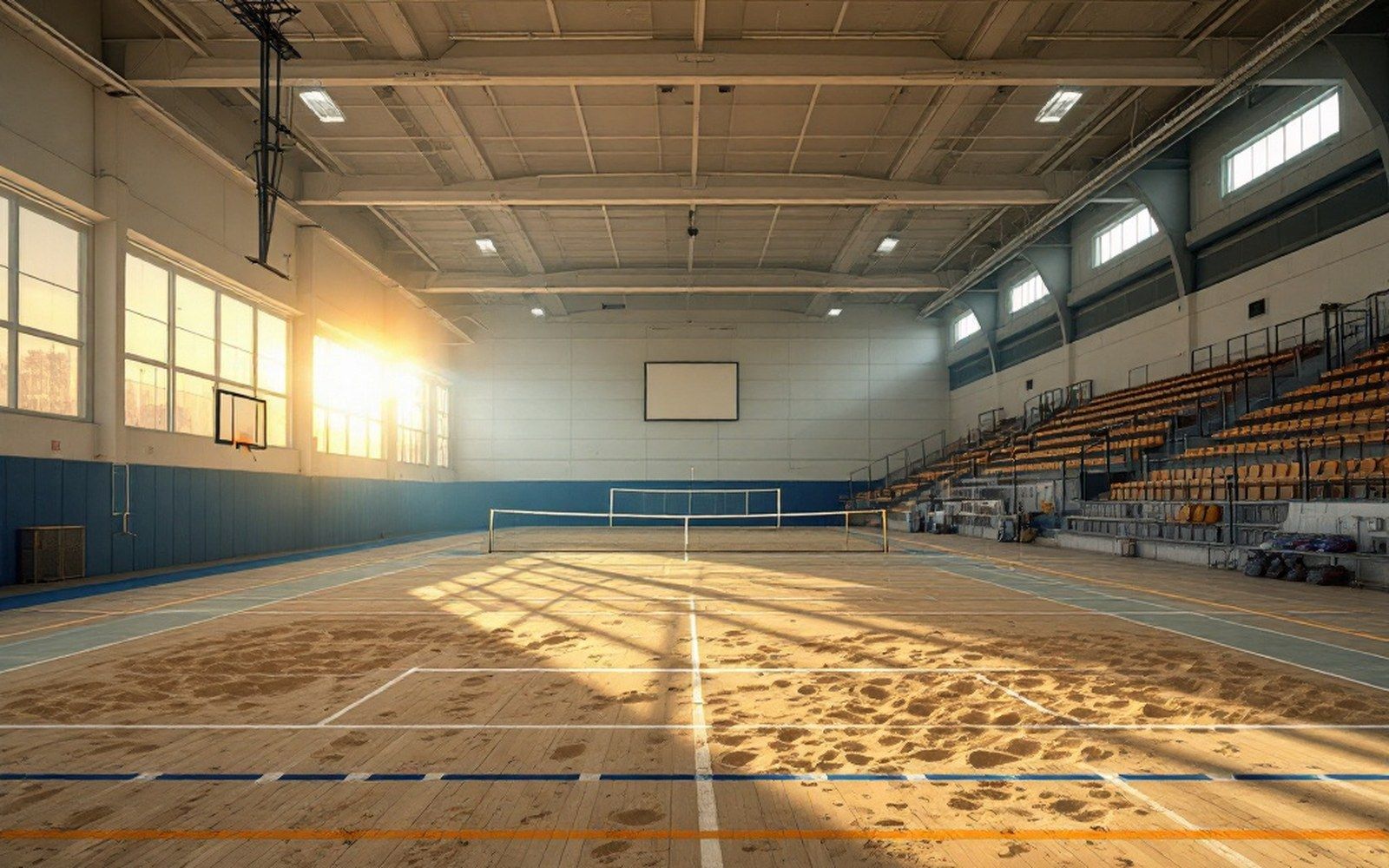
The beach game has been an Olympic sport since Atlanta 1996 ↗, and the Olympics remains its highest-profile stage. The domestic club structure that defines indoor volleyball in Italy, Poland, Turkey and Brazil has no real beach equivalent; beach pairs are largely national federation–funded or independently contracted, competing on the FIVB World Tour and similar international circuits rather than in league seasons. The sport shares a governing body with its indoor counterpart and shares a name on the sign above the gate. Below the sign, almost everything else has been renegotiated.
Read next