What the jump serve did to everything else
The ball that lands in the corner has already broken the rally before it starts.
The serve used to be a formality
For most of volleyball's history, the serve was a transaction: get it in, give the other team a chance to play, and then compete. The underhand float and the standing topspin were designed to be accurate, not destructive. Rules reinforced this attitude — under side-out scoring, the serving team could only win points on its own serve, which created an incentive to keep the ball in play and wait for the opponent to fault. The serve was a key, not a weapon.
The jump serve changed the premise entirely. The player approaches the end line, tosses the ball high and forward, and strikes it with a full armswing at maximum height and speed — generating topspin that bends the ball sharply downward into the court. The physics are brutal: elite men's jump serves have been clocked above 120 kilometres per hour, and the combination of pace and dive gives a libero perhaps half a second to read and act. That is not a receiving problem. It is a crisis.
The jump serve matured through the 1990s in Brazil and among Cuban national team players, and by the time it was common at the elite level, rally point scoring had arrived in 1999. The timing was not coincidental in its effect, even if the two developments were independent. Under rally point rules, every service error costs a point — but so does every ace. The serve became high-stakes in both directions simultaneously, and coaches had to weigh risk and reward on every rotation.
What broke first, and how the rulebook answered
Reception broke first. A standing float serve can be passed with the forearms and a steady platform. A jump serve arriving at 110 kilometres per hour demands the same mechanics under radically different conditions — more pace, more spin, more angle of entry. The first-contact skill, what spectators see as the bump or the forearm pass, became the limiting factor in competitive volleyball. Teams that could not receive the jump serve reliably could not run their offence, full stop, because a broken pass collapses the setting options before the attack even begins.
The rules did not directly address reception mechanics — that is a skill question, not a rulebook question — but the FIVB's 1998 introduction of the libero position is inseparable from the jump serve's rise. The libero, a defensive specialist in a contrasting shirt exempt from rotation rules, exists precisely because reception became so technically demanding that teams needed a dedicated specialist on the floor for every single rally. You do not create a new player category if the serve is a formality. The libero is, in structural terms, the rulebook's acknowledgement that the jump serve had made first contact a specialism in its own right.
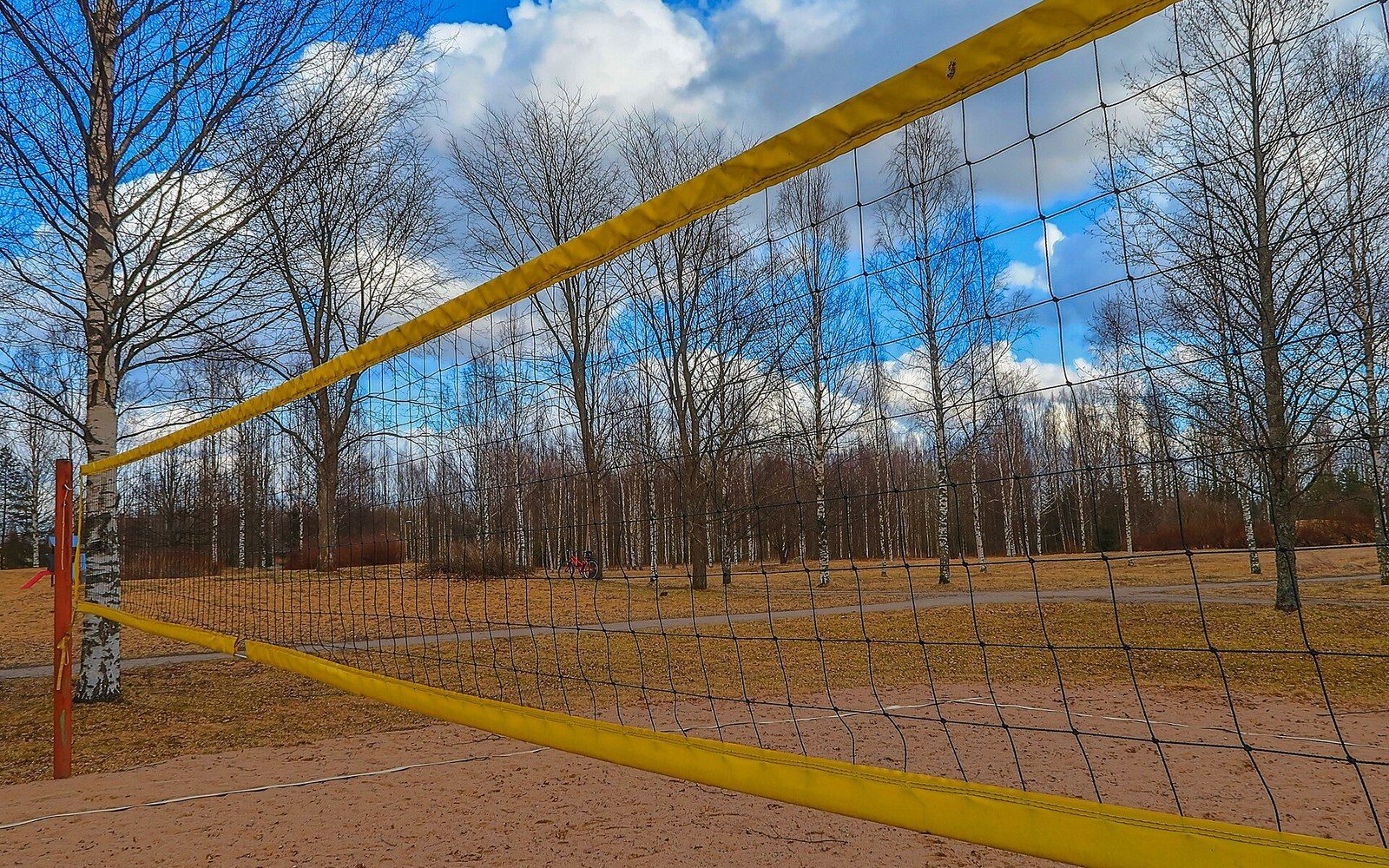
The let-serve rule also matters here. From 2000 onward, a serve that clips the net and falls in is live — no replay, no free second attempt. Before that change, a serve that touched the net was a service fault and the point went to the receiving team. Once the let serve stayed in play, the serving team gained a small but real additional threat: a ball that skims the tape and drops short is genuinely harder to pass than a clean delivery, and the receiving team gets no reprieve. This put further pressure on reception systems already strained by pace and spin.
The block-touch rule has a quieter connection to the same chain. Under current FIVB rules, a ball deflected by the block does not count against the blocking team's three-contact limit — the blocked ball can be played again as if fresh. This matters more in a world where serves are aces or near-aces, because teams returning a poor first contact often need that flexibility to recover. Judging a block touch is one of the most contested calls in the game, partly because the stakes of possession have risen with the serve's lethality.
What it did to systems, rotations, and who plays where
The five-one system, in which one setter handles all setting duties across six rotations, became dominant at elite level partly because of serve pressure. When reception is fragile, you need your best passer in the court at all times, and a six-two — using two setters, each one leaving the back row when they move to the front — forces both setters through the receiving lineup whether or not they are strong passers. The five-one concentrates setting in one person and lets the coach build the other five positions around reception quality. Systems follow the threat.
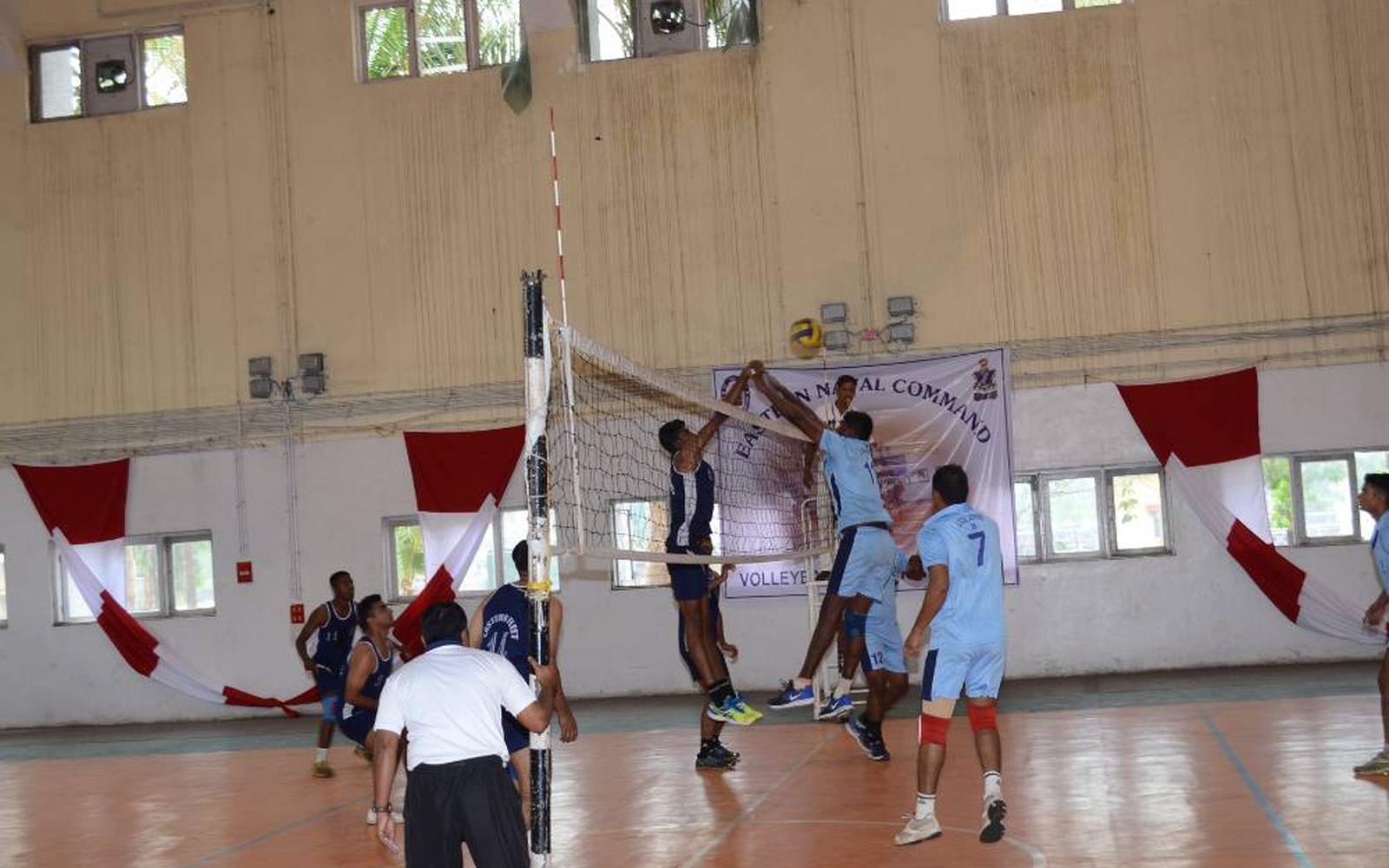
Rotation itself sharpened as an attacking tool. In a world where the serve is a weapon, teams design their rotations to match their most dangerous server with the opponent's weakest receiving rotation. Serve receive formations — how the five eligible passers (the setter rarely passes) arrange themselves to cover the court — become chess moves rather than default positions. The overlap fault, judged at the instant of the serve, creates the hard boundary around this manoeuvring: players must be in a legal order when the ball is struck, and cannot simply place their best passer anywhere they like. The geometry of legal positioning shapes what reception formations are actually possible.
The clubs where elite players spend most of their careers — Italy's SuperLega, Poland ↗'s PlusLiga, Turkey's Efeler Ligi — all treat serve-and-receive as a unit of competitive analysis. Squads in those leagues recruit specifically for passers who can survive the best jump servers in the world, and scouting reports on opponents focus heavily on which rotations crack under pressure. The skill cascade from one rule-adjacent development is visible in how professional rosters are assembled.
The serve as the game's loudest argument
None of this means the jump serve always wins. The best receivers in the world — disproportionately represented among liberos from Brazil and Italy — have adapted over two decades to read spin, adjust platform angle, and absorb pace. A perfect pass off a 120-kilometre serve is one of the most difficult skills in sport, and it happens dozens of times in an elite match. The arms-race quality of serve versus reception is what makes the first contact the most tense moment on the floor.
What the jump serve did, in the end, was force the entire structure of the game to treat the serve as a genuine scoring weapon rather than a starting pistol. The libero exists because of it. Rotation strategy changed around it. The let-serve and block-touch rules became more consequential because of the pace and pressure it introduced. The side-out, once the primary objective of the receiving team ↗ under the old scoring system, is now one data point in a continuous exchange of risk — and every point of that exchange begins with someone running to the end line and deciding how hard to go.
Read next