She may not attack, may not block, may not serve
The shirt that tells the referee
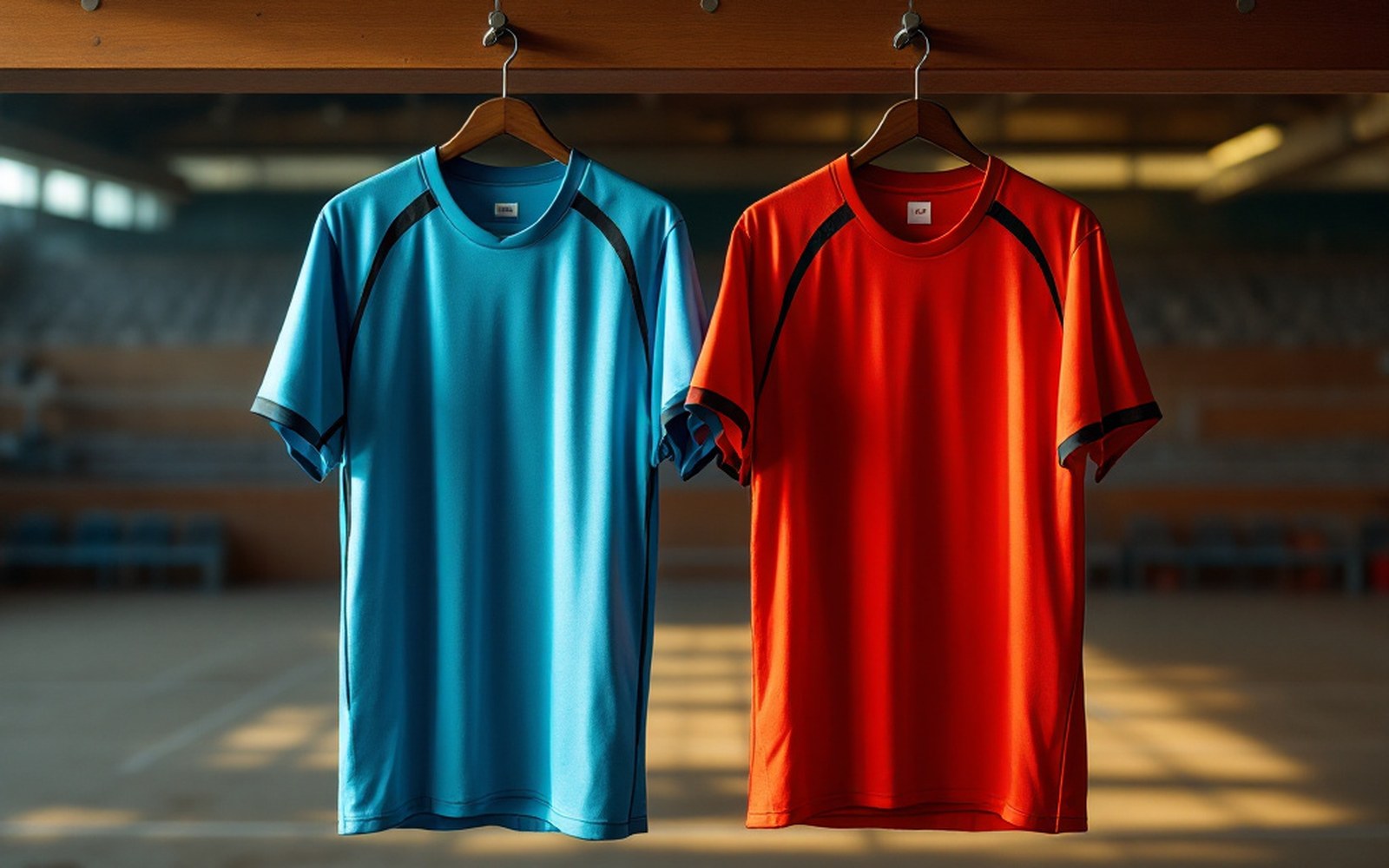
The contrasting kit is not a fashion choice — it is a rule enforced by clothing.
Why the uniform does enforcement work
When the libero rule entered the FIVB rulebook in 1998 and was first played internationally in 1999, it created a problem officials had never faced before: a player on the court who is prohibited from doing things other players can do freely. She cannot attack the ball above the net from anywhere. She cannot block. She cannot serve. When she is in the front zone, she may not set overhand if the attacker is going to hit the ball from above the net. None of those restrictions are self-enforcing — they require the referee to see, in real time, who just touched the ball.
The answer the FIVB settled on was architectural rather than procedural. Instead of asking referees to memorise a roster number and track one player through traffic, the rules mandate that the libero wears a kit in a clearly contrasting colour to all other players on her team. The contrast has to be obvious, not approximate. A slightly different shade of the same colour does not satisfy the requirement. The shirt is a visual flag, permanently on, that tells every official on the platform and every line judge on the baseline: that player is operating under a different set of rules.
This makes the policing tractable. When a ball is attacked from the back row, the first question is whether the contact came from above the height of the net — and if so, the second question is whether the player was in a contrasting shirt. No kit, no special restriction; contrasting shirt, and the full body of libero rules applies immediately. The uniform collapses a complex identity check into a glance.
What the shirt governs
The restrictions that ride on that contrasting colour are substantial. The libero is a back-row specialist who can replace any back-row player without a substitution being charged against the team's limit — a freedom that allows elite defensive players to stay on the court across multiple rotations. But that freedom is bounded sharply: she is tracked through the game not by her position in the rotation but by her shirt. When she is on the court, she is always the libero; when she leaves, the player she replaced returns, and no official roster substitution is recorded.

Because the libero can cycle in and out repeatedly, the uniform is also what prevents chaos at the scorers' table. The FIVB rulebook requires that the libero's replacements be tracked on a separate line of the score sheet. The contrasting shirt is what makes those records unambiguous: anyone reviewing video, or a second referee checking a call, can identify the libero from the footage without consulting the starting lineup.
The rules also require that the libero's kit match in style — the same cut and length as the rest of the team's uniform — so the colour contrast is the only distinguishing feature. This prevents the shirt from becoming a way to gain any physical advantage through different fabric or fit. The jersey tells the referee who the player is; it tells nobody anything else.
Where this plays out
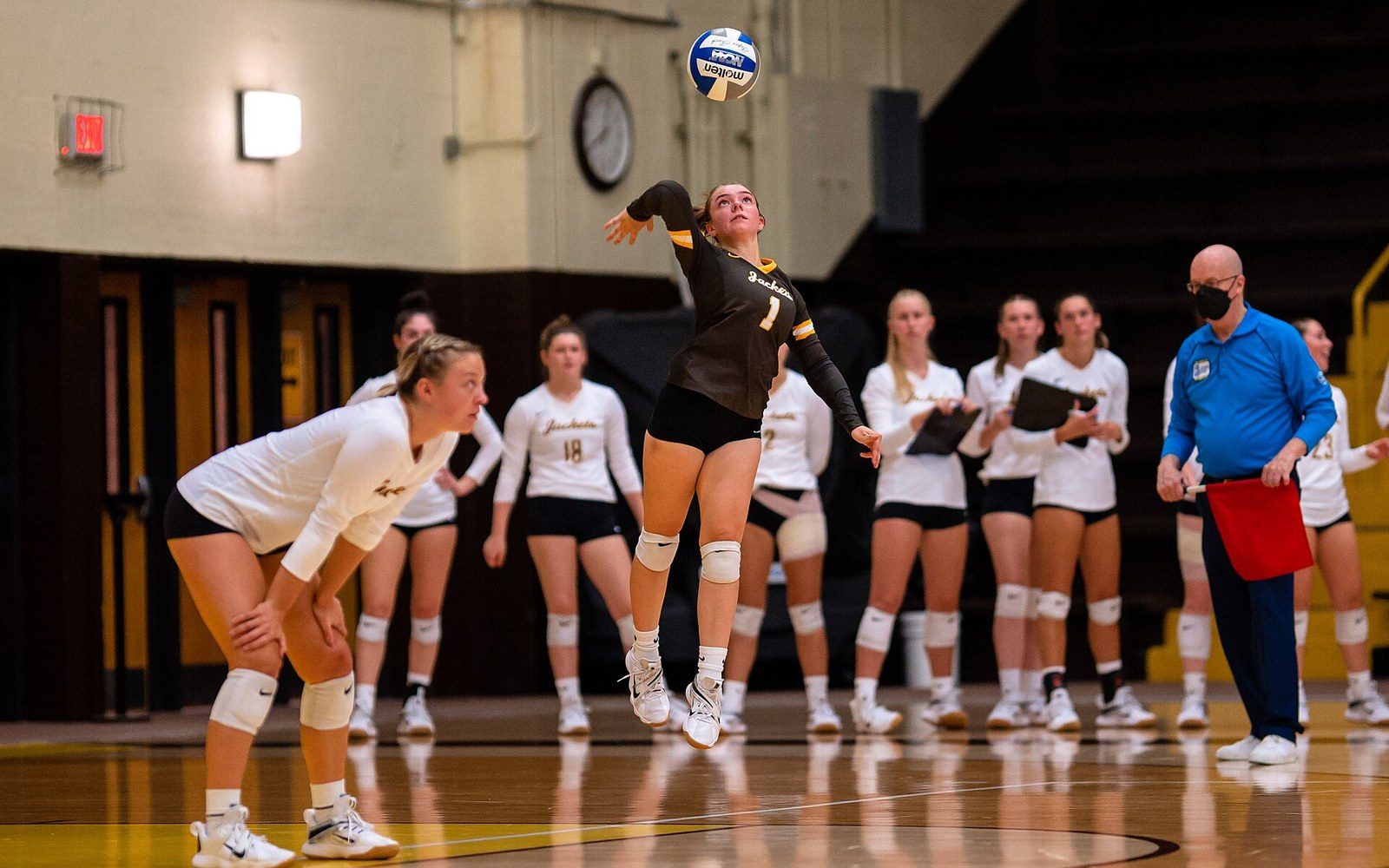
In the SuperLega in Italy, the PlusLiga in Poland ↗, and the Efeler Ligi in Turkey ↗ — the three domestic leagues where most of the world's top players compete — the contrasting libero shirt is so familiar that a broadcast viewer barely notices it anymore. In an NCAA match, where the libero rule has been standard for decades, the same visual logic operates in a gymnasium rather than an arena. Across formats and federations, the shirt does the same job: it externalises a legal status that would otherwise be invisible, putting the rule on the body of the player so that every official in the building, without a word spoken, knows exactly what this player may and may not do the moment the rally begins.
The libero's kit is not decoration. It is the mechanism.
Read next