The best players are not where you think
The clubs, where the season actually happens
The FIVB's showpiece events fill maybe eight weeks of a calendar year. The other forty-four belong to club volleyball — and the leagues that matter most are in Europe.
Three leagues, most of the talent
Italy's Serie A1 has been the benchmark for men's and women's club volleyball for decades. The men's division, historically anchored by clubs in the Veneto and Emilia-Romagna regions, has produced some of the longest winning runs and most tactically sophisticated volleyball the indoor game has seen. Trentino Volley, based in the city of Trento, won three consecutive CEV Champions League titles between 2009 and 2011 — a record in the competition at the time. Sir Safety Perugia and Lube Civitanova have since taken over as the dominant forces in Italian men's volleyball, trading Scudetti and European trophies through the late 2010s and into the 2020s. The women's competition is no less competitive: Conegliano Volley went on a domestic winning streak that ran to over a hundred consecutive matches and claimed multiple Champions League titles through the same period.
What makes Serie A1 distinctive as a viewing experience is the density of elite foreign talent alongside Italian internationals. Italian clubs have consistently recruited the world's best outside hitters, setters and opposites, meaning a single match can feature players from Brazil, Poland ↗, the United States, Serbia and the host country all on the same floor. The tactical sophistication is partly a product of that mix: coaches cannot rely on physical dominance alone when every team has physical players, so serve-reception systems, rotation management and the overlap fault become genuine differentiators.
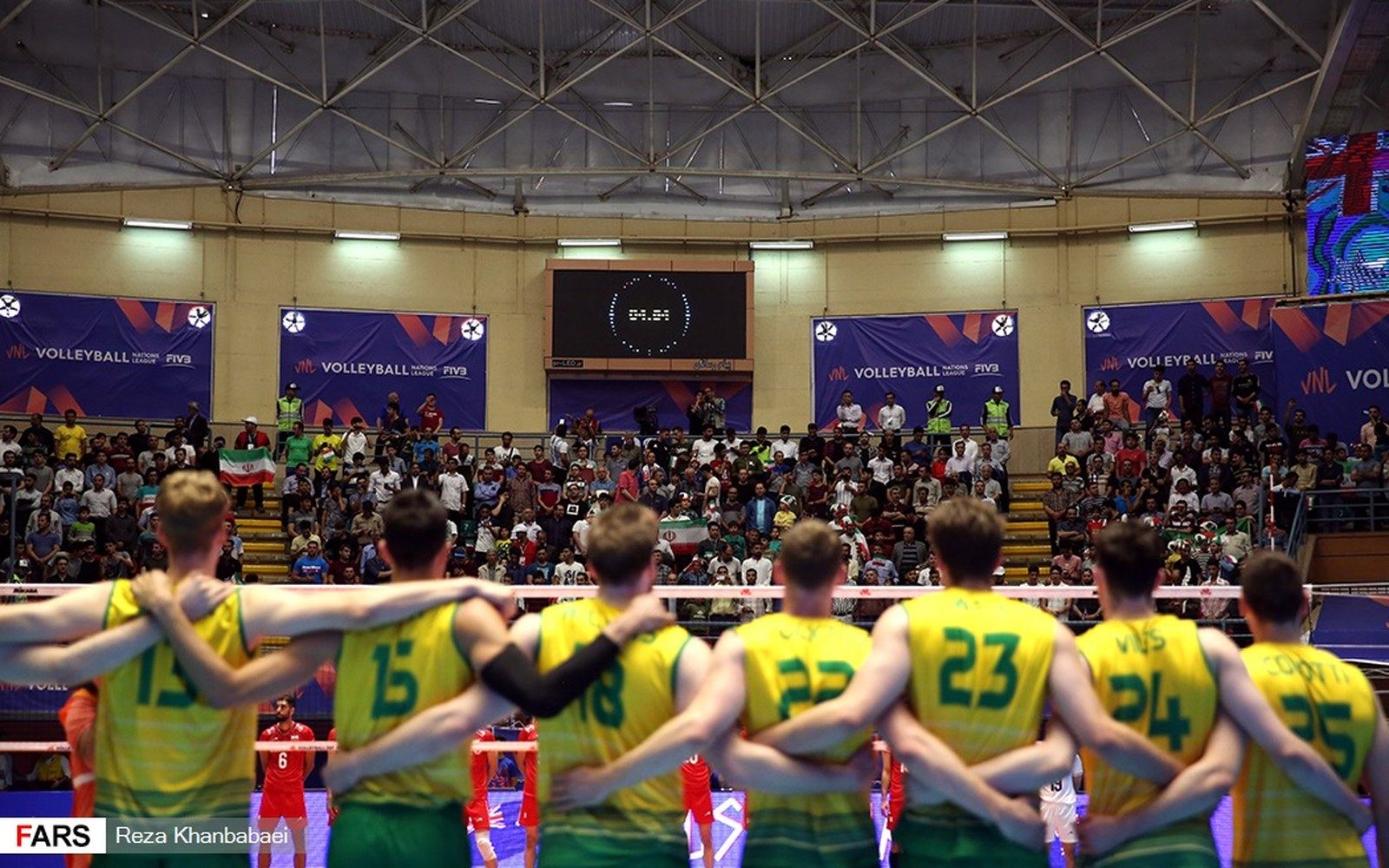
Poland's PlusLiga, on the men's side, is the other league that serious observers follow. Polish club volleyball grew quickly in the 2000s and accelerated further after the national team's rise to the top of world rankings. ZAKSA Kędzierzyn-Koźle won back-to-back CEV Champions League titles in 2021 and 2022, becoming the first Polish club to win the competition. Jastrzębski Węgiel and PGE Projekt Warszawa regularly compete at the top of the domestic table and in European knockout rounds. The PlusLiga atmosphere — crowds that rival football in some cities, especially in Rzeszów and Gdańsk — is not incidental to the quality on court. Home advantage is real when the building is full and loud, because communication between players and the ability to call a ball at the net are both affected by noise.
Turkey ↗'s Sultanlar Ligi, the women's league, completes the triad. Istanbul-based clubs — Vakıfbank, Fenerbahçe and Eczacıbaşı among them — have imported an extraordinary concentration of talent. Vakıfbank's Champions League record through the 2010s placed them alongside the top European clubs of any era. The Turkish federation's willingness to allow a high number of foreign player registrations per roster made the league a destination for South American, Serbian and American players who might otherwise have stayed in their home countries. The result is a league where the tactical and physical level of play is consistently high, and where the serve — particularly the jump serve — is used as a primary weapon rather than a conservative opener.
How a club season is structured
Domestic leagues run from roughly October through April or May. Clubs typically play a double round-robin regular season — home and away against every other team — before a playoff bracket determines the national champion. The number of clubs in the top division varies: Serie A1 men runs fourteen teams; PlusLiga has run with similar numbers. Points are awarded on a rally point basis per set, and the match result translates into league points on a sliding scale. A straight-sets win earns more league points than a five-set win, which creates a real tactical question late in matches: do you push for the set win, or conserve energy for the next one?
Running parallel to the domestic calendar is the CEV Champions League, Europe's premier club competition. The group stage and knockout rounds are threaded through the domestic schedule from October onward, meaning top clubs play twice or three times a week for extended stretches. That congestion is where roster depth matters most. A five-one system with one exceptional setter becomes a vulnerability if that setter is managing a minor injury through February. Clubs with deeper benches, or those that have used their foreign slots wisely, absorb those stretches better than clubs built around two or three stars.
The libero — the defensive specialist in the contrasting shirt who cannot attack or block — becomes especially important in this context. Over a long club season, the libero's ability to stabilise first contact after a heavy serve keeps the team's offensive system functioning even when the front row is rotating through its weaker configurations. Across forty-plus matches a season, that consistency is what separates contenders from the rest.

Brazil and the rest of the world
Outside Europe, Brazil's Superliga is the competition with the strongest claim to elite status. The domestic calendar aligns differently from European leagues — the Brazilian season runs roughly from October to March — and the country's depth in both men's and women's volleyball means Superliga clubs develop players who then move to Italy, Poland or Turkey at their peak. Brazilian clubs do import some talent, though the flow of players toward European wages has historically been largely one way.
Japan's V.League and the Russian league (historically strong before political exclusions reduced its international footprint) have both served as serious professional destinations. China's domestic leagues have developed significant internal talent. But the honest answer to where the game's best players spend the majority of their professional lives is: somewhere in those three European competitions. A player's club career is what fills the years between Olympic cycles, and the documented achievements that define a career are built largely in these leagues — not at the four weeks a FIVB world championship or Nations League provides.
The club season is, in that sense, not the complement to international volleyball. It is the main event, and the international tournaments are the interruption. The best way to understand what a player can actually do is to watch them in October in Perugia, or in February in Kędzierzyn-Koźle, or on a Tuesday night in Istanbul when the Champions League round of sixteen begins.
The competitions named in this piece
Read next