Legal at the whistle, then anywhere
The overlap fault
You can lose a point without touching the ball — and it happens because of where someone was standing when the server made contact.

What the rule actually says
Volleyball runs on a fixed service order. Before every rally begins, each team must have its six players arranged in the correct relative positions — the setter in zone three cannot be as close to the right sideline as the outside hitter in zone two, the back-row right cannot be as close to the net as the right-front player in front of her. The rule does not demand a particular formation; it demands a legal spatial relationship between adjacent players at one specific moment: the instant the server strikes the ball.
That moment is short, and it passes. Once the ball is away, players are free to move wherever their system requires — six players must be in a legal order at service and are then free to move, which is the whole logic behind why specialists end up playing nowhere near their rotation slot by the third contact. But between the referee's whistle and the server's contact, every player's position is under scrutiny. Break the spatial requirement in that window and the infringement is called an overlap fault, or positional fault. The point goes to the opposition, and if the opposition was receiving, they also earn the serve.
The geometry is straightforward. Each front-row player must be closer to the net than the corresponding back-row player directly behind them — that is the front-to-back rule. Each player must also be closer to their own sideline than the player next to them in the same row — that is the side-to-side rule. Referees are looking at feet, specifically at floor contact: if a libero's heel overlaps with the back-row player beside her, the flag goes up.
Why it catches people out
The overlap fault is one of the more counterintuitive penalties in the sport because it can be triggered by a team standing entirely still. A team that has engineered a sophisticated pre-service formation — designed to put a strong serve-receiver where the passer is weakest, or to conceal which attacker will get the first set — is always navigating the overlap rule. The better the disguise, the tighter the margins.
In practice, the fault surfaces most often when a team is trying to hide a poor passer. Setters running a five-one system, for example, cycle through six different rotation positions across a set. In some of those rotations, the setter sits in the back row and cannot realistically be near the net without overlapping with the front-row middle. Coaches design serve-reception patterns that stretch players toward their intended positions without crossing the line — and sometimes they stretch too far.
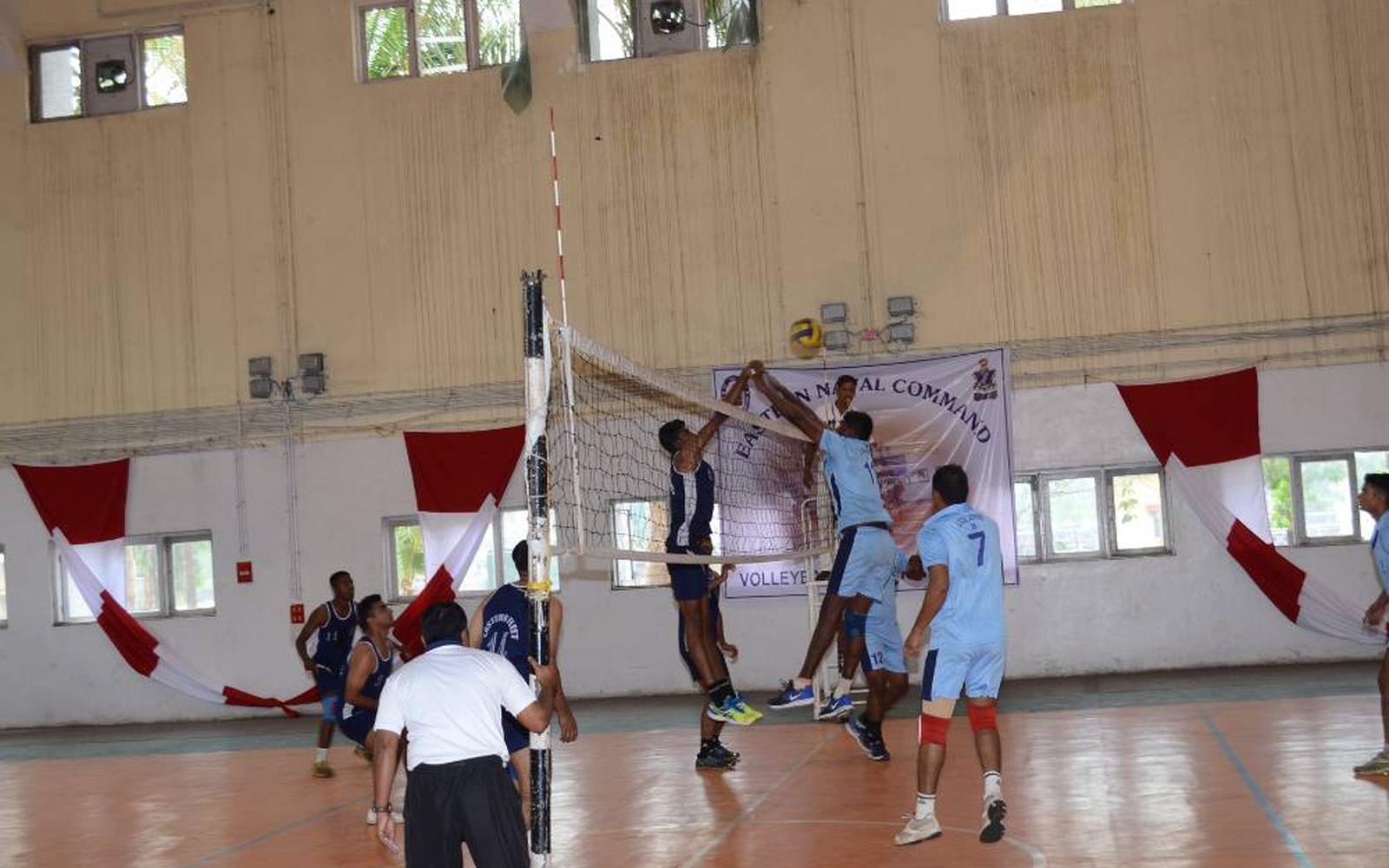
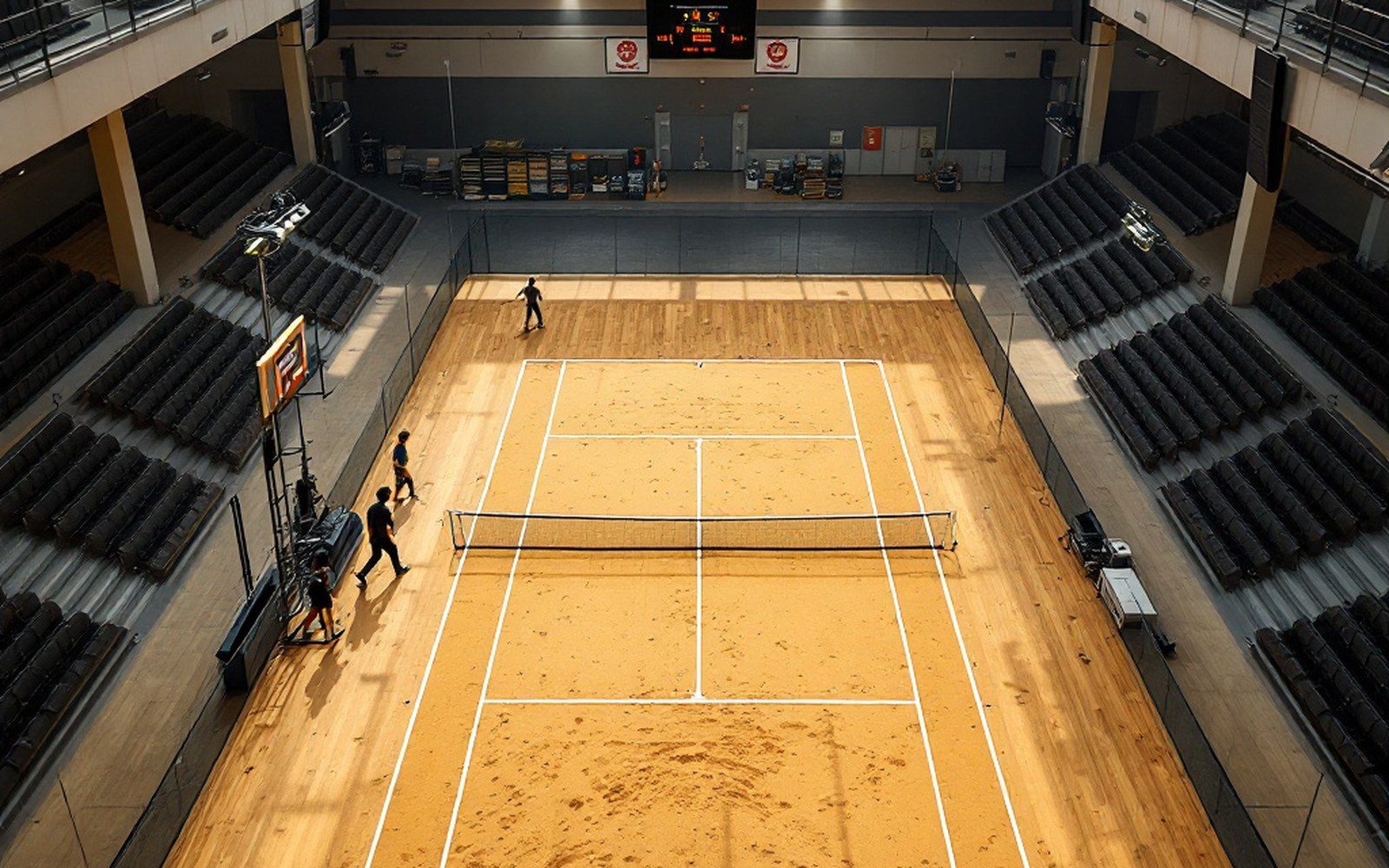
The rule also interacts with the libero, who replaces a back-row player and is therefore always subject to the same positional requirements as whoever she replaced. If the libero creeps too close to a front-row player before the serve, the overlap call applies just as it would to any other player on the court.
At the highest level — in the club leagues of Italy, Poland ↗, and Turkey ↗, or in FIVB-sanctioned international competition — the overlap fault is governed by FIVB's official rules of the game, and first officials are specifically trained to watch the service moment rather than track where everyone moves after it. It is a called fault at the whistle, not a continuing state: a player can be in an illegal position one second before contact and perfectly legal a second after, as long as the feet are right when it counts.
What makes the overlap fault worth understanding is that it is invisible to a casual viewer who has never heard of it. The whistle blows, a point is awarded, and no one on the court has touched the ball. The team that served may look blameless — and they are, from a ball-contact perspective. But the referee has been watching something different entirely: a geometry problem that resolved, illegally, in the half-second before the rally began.
Read next